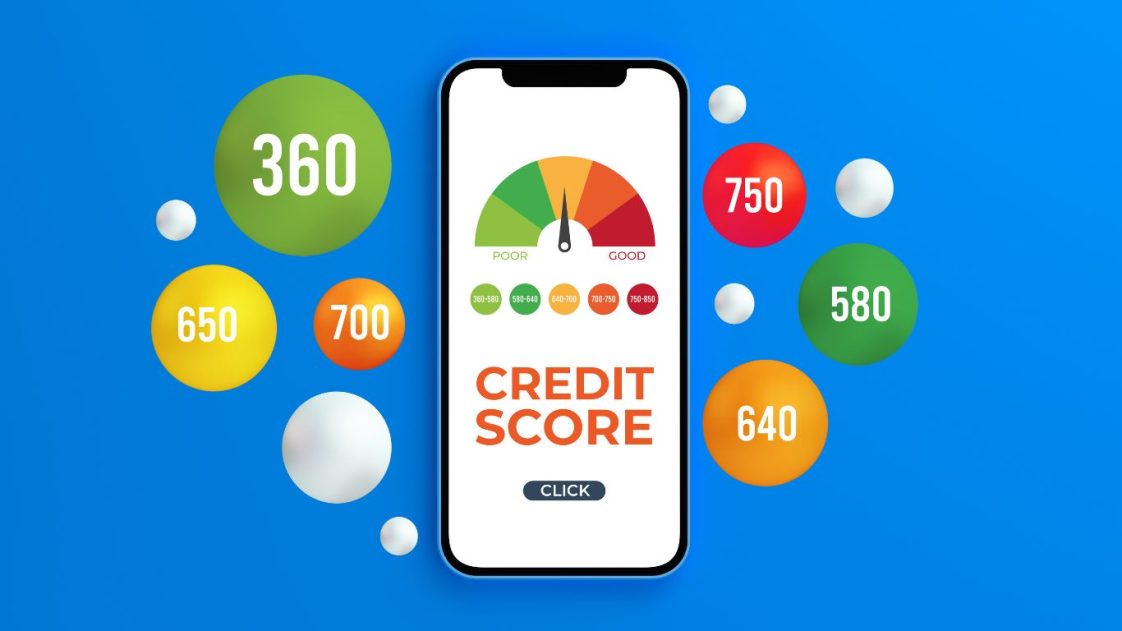
Understanding and managing your credit score is a fundamental aspect of financial health. Your credit score is a three-digit number that lenders use to determine your creditworthiness. It affects your ability to obtain loans, credit cards, and even impacts interest rates and insurance premiums. This comprehensive guide will break down the basics of credit scores and provide actionable advice on how to improve yours, paving the way for a stronger financial future.
What Is a Credit Score?
A credit score is a numerical representation of your credit history, ranging from 300 to 850. It's based on five key factors: payment history, amounts owed, length of credit history, new credit, and types of credit used. A higher score indicates to lenders that you're a lower-risk borrower, which can lead to better interest rates and loan terms.
Understanding the Five Key Factors
- Payment History (35%): This is the most significant factor. Lenders want to see a history of on-time payments.
- Amounts Owed (30%): This reflects your credit utilization ratio, or how much of your available credit you're using.
- Length of Credit History (15%): Longer credit histories are viewed more favorably.
- New Credit (10%): Opening several new credit accounts in a short period can lower your score.
- Types of Credit Used (10%): A mix of account types (credit cards, mortgage, auto loans) can benefit your score.
How to Improve Your Credit Score
Improving your credit score is a journey, not a sprint. It requires patience, discipline, and a strategic approach. Here are proven strategies to elevate your score:
Regularly Check Your Credit Report
Errors on your credit report can unfairly lower your score. Obtain a free copy of your credit report from each of the three major credit bureaus annually and dispute any inaccuracies you find.
Pay Your Bills on Time
Since payment history is the most critical factor, ensure that all bills are paid promptly. Setting up automatic payments can help avoid missed deadlines.
Reduce Your Credit Utilization Ratio
Aim to use less than 30% of your available credit across all accounts. Paying down balances and keeping accounts open (even with a zero balance) can help achieve this.
Be Mindful of Opening New Accounts
While new credit can improve your score over time, applying for several new lines of credit in a short period can temporarily lower your score due to hard inquiries.
Diversify Your Credit Mix
Responsibly managing a variety of credit types can positively impact your score. However, don't open accounts you don't need just to improve your mix.
Consider a Secured Credit Card
If you're building credit from scratch or repairing a low score, a secured credit card can be a useful tool. These cards are backed by a cash deposit, reducing the risk to lenders.
Become an Authorized User
Being added as an authorized user on someone else's credit card account can help boost your score, especially if the primary user has a strong payment history.
Understanding Credit Score Ranges
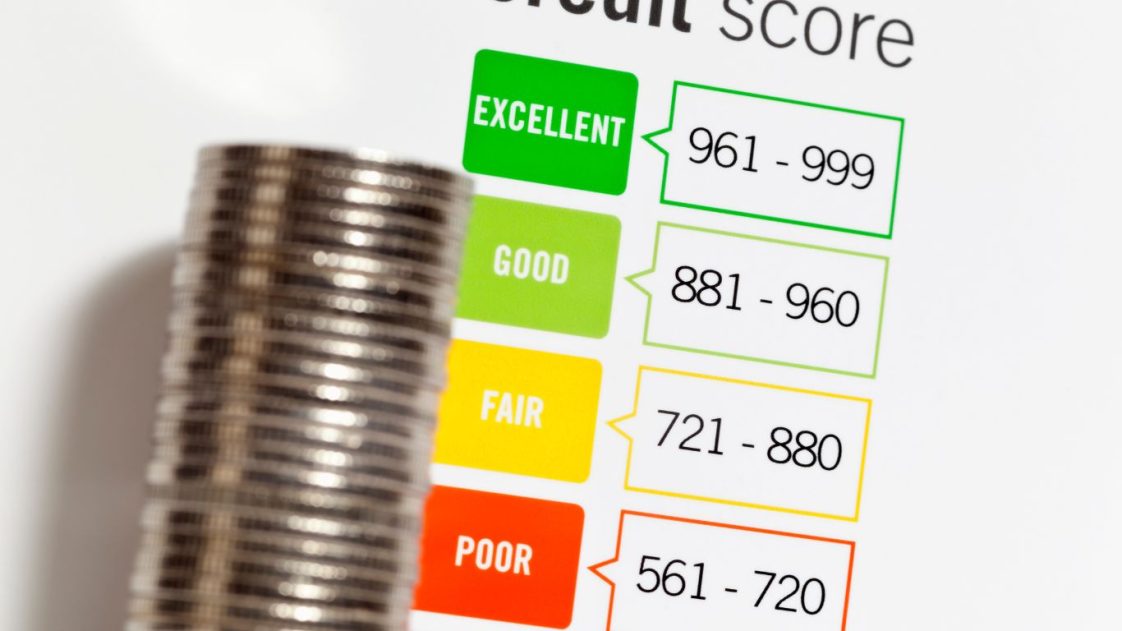
Credit scores typically fall into the following ranges:
- Excellent (800-850)
- Very Good (740-799)
- Good (670-739)
- Fair (580-669)
- Poor (300-579)
Your goal should be to maintain a score in the "Good" range or above, as this will generally qualify you for better interest rates and loan terms.
Avoiding Common Credit Score Pitfalls
Avoiding common mistakes can help protect your credit score:
- Late Payments: Even a single late payment can significantly impact your score.
- Maxing Out Credit Cards: High credit utilization can signal financial distress.
- Closing Old Accounts: This can shorten your credit history and increase your credit utilization ratio.
- Ignoring Debt: Unaddressed debts can lead to collections accounts, severely damaging your score.
Conclusion
Your credit score is a crucial element of your financial identity. By understanding how it works and taking proactive steps to improve it, you can unlock doors to financial opportunities and secure a better financial future. Remember, improving your credit score is a gradual process, but the benefits—lower interest rates, better loan terms, and increased financial flexibility—are well worth the effort.