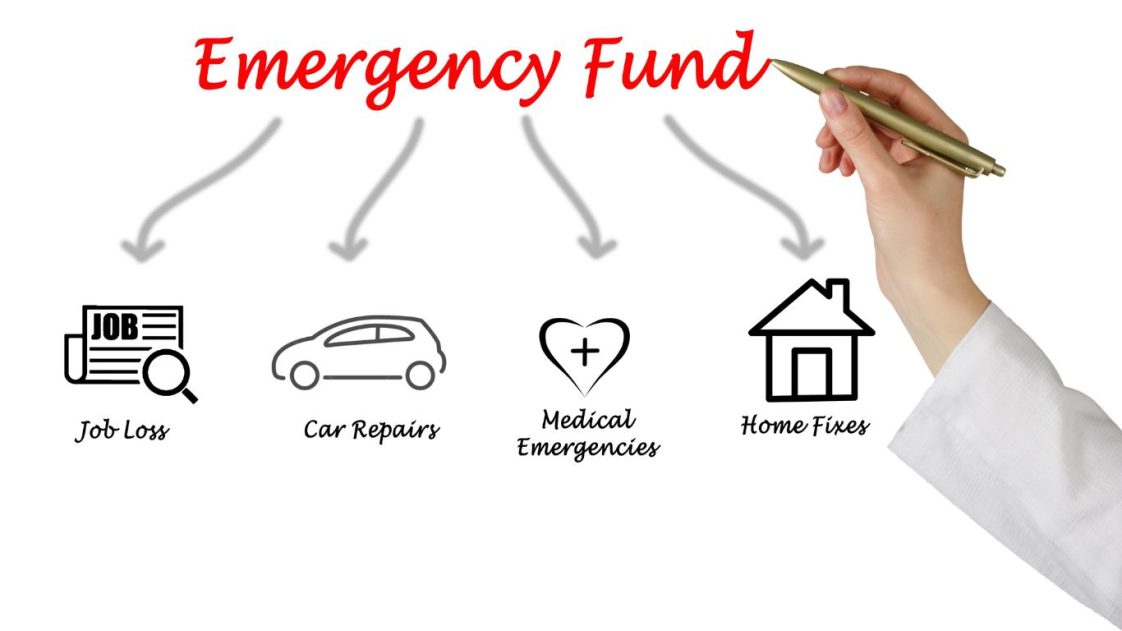
In the unpredictable journey of life, financial emergencies are not a matter of if, but when. Whether it's an unexpected medical bill, sudden job loss, or urgent home repairs, having a financial safety net can mean the difference between a minor hiccup and a major setback. This comprehensive guide will walk you through the importance of emergency funds, how to build one, and strategies to ensure it supports you when you most need it.
Understanding the Importance of an Emergency Fund
An emergency fund is essentially a financial buffer designed to cover unexpected expenses without derailing your regular financial obligations or forcing you into debt. It's the foundation upon which financial security is built, allowing you peace of mind knowing that you're prepared for life's unforeseen events.
How Much Should You Save?
The size of your emergency fund will vary depending on your lifestyle, monthly expenses, and income stability. A general rule of thumb is to save enough to cover three to six months' worth of living expenses. However, if you're self-employed or have a variable income, aiming for a larger buffer of six to twelve months' expenses may be more prudent.
Steps to Building Your Emergency Fund
1. Start Small
The idea of saving several months' worth of expenses can be daunting, especially if you're starting from scratch. Begin with a small, achievable goal, such as $500 or $1,000, and gradually increase your target as you save more.
2. Create a Budget
Understanding your income and expenses is crucial to effective savings. Create a detailed budget to identify where you can cut back on non-essential spending and redirect those funds into your emergency savings.
3. Automate Your Savings
Automation is a powerful tool in building your emergency fund. Set up automatic transfers from your checking account to your savings account right after payday. This "out of sight, out of mind" approach prevents you from spending what you intend to save.
4. Choose the Right Savings Account
Your emergency fund should be easily accessible but separate from your regular checking account to avoid temptation. Look for a high-yield savings account that offers a higher interest rate to grow your savings faster while keeping the funds liquid.
5. Adjust Your Contributions
As your financial situation improves, such as receiving a raise or paying off a debt, adjust your contributions to your emergency fund accordingly. The more you can save now, the better prepared you'll be.
When to Use Your Emergency Fund
Discipline is key in managing your emergency fund. It should only be used for genuine emergencies, not for planned expenses or impulse buys. Before dipping into your fund, ask yourself if the expense is unexpected, necessary, and urgent. If it doesn't meet all three criteria, look for alternative funding sources.
Rebuilding Your Emergency Fund
After using your emergency fund, it's important to replenish it as soon as possible. Review your budget for areas to cut back on temporarily and redirect those funds to your emergency savings until it's fully restored.
Common Questions and Concerns
Q: What if I can't afford to save?
A: Start with whatever amount you can, even if it's just a few dollars a week. Small contributions can add up over time, and the act of starting creates positive financial habits.
Q: Where should I keep my emergency fund?
A: Your emergency fund should be kept in a savings account that offers a balance of high interest, easy access, and safety (such as FDIC insurance).
Q: Should I pay off debt or build my emergency fund first?
A: Ideally, do both. Start with a small emergency fund of $1,000, then focus on high-interest debt. Once the debt is under control, build your fund to the recommended three to six months' expenses.
Conclusion
Crafting your financial safety net in the form of an emergency fund is one of the most responsible actions you can take towards financial stability. By following these steps and making your emergency fund a priority, you'll not only safeguard your financial future but also gain the peace of mind that comes with being prepared for the unexpected.
Remember, the goal of an emergency fund is not just to save money but to ensure that you and your family can weather any storm without financial distress. Start today, and build the financial security that will protect you for years to come.