In an age where environmental awareness is more critical than ever, adopting an eco-friendly lifestyle is not just beneficial for the planet—it can also lead to significant savings. This comprehensive guide delves into the myriad ways you can embrace sustainability in your daily life, showing that taking care of the earth and your finances can go hand in hand.
The Philosophy of Less: Minimalism and Sustainability
Embracing Minimalism
At the heart of eco-friendly living lies the principle of minimalism: the less you consume, the less waste you produce. This philosophy encourages you to reevaluate your needs, focusing on quality over quantity. Not only does this reduce your ecological footprint, but it also leads to less spending on short-lived or unnecessary items.
The Financial Upside of Buying Less
By prioritizing needs and investing in durable goods, you save money in the long run. This approach minimizes the constant cycle of buying, discarding, and replacing, which is not only wasteful but also costly.
Green Transportation: A Path to Reduced Emissions and Expenses
The Benefits of Biking and Walking
Switching to human-powered transportation for short distances not only cuts down on greenhouse gas emissions but also saves you money on fuel, parking, and maintenance costs associated with vehicle ownership. Plus, it's a great way to stay active and healthy.
Public Transport and Carpooling
Utilizing public transportation or carpooling are excellent ways to reduce your carbon footprint and lower transportation costs. Many cities offer affordable monthly passes for buses and trains, making public transport a cost-effective and eco-friendly choice.
Sustainable Eating: Good for the Planet, Good for You
The Power of Plant-Based Diets
Incorporating more plant-based foods into your diet is not only healthier but also more environmentally friendly than a diet heavy in meat and dairy. Vegetables, grains, and legumes generally require less water and land to produce than animal products. Moreover, plant-based meals can be less expensive, especially if you opt for seasonal and local produce.
Reducing Food Waste
Minimizing food waste is a crucial aspect of eco-friendly living. Planning your meals, buying only what you need, and utilizing leftovers can significantly reduce the amount of food thrown away. This practice not only saves resources but also your money spent on groceries.

Energy Efficiency: Lowering Bills and Carbon Footprints
Energy-Saving Appliances and Bulbs
Investing in energy-efficient appliances and LED bulbs might require an initial outlay, but the long-term savings on utility bills can be substantial. Additionally, using less energy reduces your home's carbon emissions, contributing to a healthier planet.
Smart Thermostats and Insulation
Smart thermostats can optimize your heating and cooling systems, slashing energy use and costs. Similarly, improving your home's insulation keeps it warmer in winter and cooler in summer, reducing the need for artificial heating and cooling.
Zero-Waste Lifestyle: Reduce, Reuse, Recycle
The Impact of Reducing Plastic Use
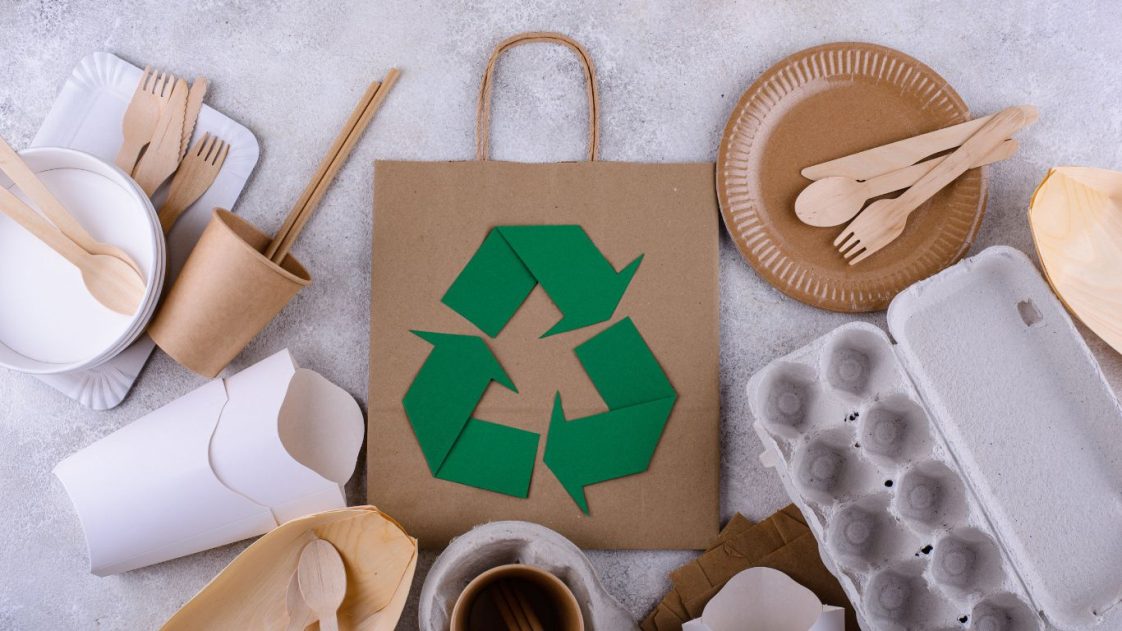
Adopting a zero-waste lifestyle starts with reducing your reliance on single-use plastics. Opt for reusable bags, containers, and bottles. Not only do these choices decrease pollution, but they also eliminate the need to constantly purchase disposables.
DIY and Home Solutions
Embracing DIY solutions for cleaning products, toiletries, and more can dramatically cut down on waste and expenses. Many household items, like vinegar and baking soda, can be used to create effective, natural alternatives to store-bought products.
Supporting Sustainable Brands: Investing in the Future
Choosing Ethical and Sustainable Products
When you do need to purchase new items, opt for products from companies committed to sustainable and ethical practices. These companies often use recycled materials, pay fair wages, and have smaller environmental footprints. While these products may come with a higher price tag, their durability and the positive impact on the planet and its inhabitants offer a greater value in the long term.
The Role of Consumer Power
Every purchase is a vote for the type of world you want to live in. Supporting sustainable brands sends a message to the market, encouraging more companies to adopt eco-friendly practices. This consumer demand can lead to broader changes in industry standards, benefiting both the environment and economies.
Eco-friendly living is not just about making sacrifices for the sake of the environment; it's a holistic approach that benefits your health, your wallet, and the planet. By adopting sustainable habits, you can contribute to a greener world while also enjoying a more minimalist, healthy, and cost-effective lifestyle. The journey to sustainability is a rewarding one, offering a profound sense of purpose and the satisfaction of knowing you're part of the solution.