Debt is often viewed as a weight that can drag down your financial wellbeing and peace of mind. However, managing your debt effectively doesn't have to be a source of stress. With a strategic approach and the right mindset, you can tackle your debt efficiently while maintaining a balanced, stress-free life. This comprehensive guide will provide you with actionable steps to manage your debt effectively without letting it overwhelm you.
Understanding Your Debt
The first step in effective debt management is understanding what you owe. Compile a list of all your debts, including credit card debt, student loans, mortgages, and any personal loans. For each debt, note the total amount owed, the interest rate, and the minimum monthly payment. This overview will give you a clear picture of your financial obligations and is crucial for developing a strategy to tackle your debt.
Creating a Budget
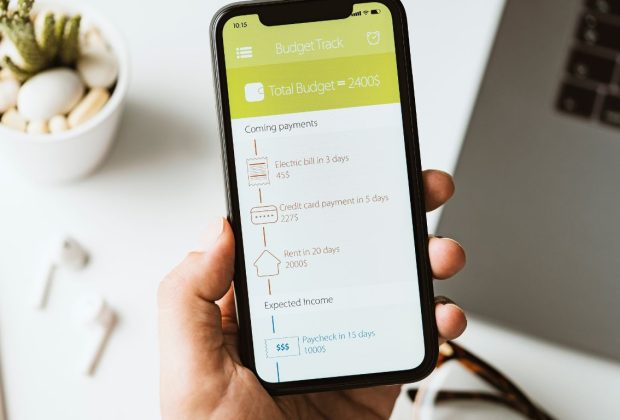
A well-structured budget is your best tool for managing finances and paying down debt. Start by listing your monthly income sources, followed by your essential expenses such as housing, utilities, groceries, and transportation. The goal is to identify how much money you have left after covering essential expenses, which you can then allocate towards paying off your debt.
Prioritizing Your Debts
Not all debts are created equal. Prioritize your debts by interest rate, starting with the highest. This method, known as the debt avalanche method, focuses on paying more towards the debt with the highest interest rate while maintaining minimum payments on others. An alternative is the debt snowball method, where you pay off the smallest debts first to build momentum. Choose the strategy that best fits your motivation style and financial situation.
Negotiating with Creditors
Many people don't realize that you can often negotiate your debt terms. Contact your creditors to discuss options such as lower interest rates, a modified payment plan, or even a settlement. Creditors are usually willing to work with you, as they prefer to receive some payment rather than none at all. Be honest about your financial situation, and don't be afraid to ask for what you need.

Utilizing Debt Management Tools and Resources
Several tools and resources can help you manage your debt more effectively:
- Debt Consolidation: This involves combining multiple debts into a single loan with a lower interest rate. It can simplify your payments and save you money on interest.
- Balance Transfer Credit Cards: If you have high-interest credit card debt, transferring the balance to a card with a lower interest rate can help reduce the amount of interest you pay.
- Financial Counseling: Non-profit credit counseling agencies offer debt management programs that can negotiate lower interest rates and monthly payments on your behalf.
Building an Emergency Fund
While paying off debt, it's also important to build an emergency fund. Even a small savings buffer can prevent you from falling deeper into debt in case of unexpected expenses. Aim to save enough to cover at least three months of living expenses. This fund will give you peace of mind and reduce the stress of dealing with unforeseen financial challenges.
Staying Motivated and Stress-Free
Managing debt is not just about numbers; it's also about maintaining your mental and emotional wellbeing. Here are some tips to stay motivated and reduce stress:
- Celebrate Small Wins: Acknowledge and celebrate each debt milestone you achieve. This will help keep you motivated throughout your debt repayment journey.
- Stay Focused on Your Goals: Keep reminding yourself of your financial goals and the reasons you want to be debt-free. Visualizing your success can be a powerful motivator.
- Seek Support: Don't hesitate to seek support from friends, family, or online communities. Sharing your experiences and challenges can provide you with encouragement and advice.
Conclusion
Effective debt management is about taking control of your financial situation through strategic planning, negotiation, and the use of available tools and resources. Remember, it's possible to manage your debt without letting it dominate your life or cause undue stress. By following these steps and maintaining a positive outlook, you can work towards becoming debt-free while still enjoying a balanced and fulfilling life.
Debt doesn't have to be a source of constant worry. With the right approach, you can tackle your financial obligations head-on, reducing stress and moving closer to your goal of financial freedom. Start your journey towards effective debt management today, and take the first step towards a brighter, debt-free future.