In any relationship, finding a common ground on finances is crucial for harmony and long-term success. Money matters are often cited as a primary reason for conflict between partners, but they don't have to be. Achieving financial balance in a relationship is about open communication, understanding, and mutual respect. This guide offers actionable advice on navigating the financial aspect of your relationship, fostering a partnership that thrives both emotionally and financially.
Start with Open Communication
The cornerstone of financial harmony in any relationship is open and honest communication. Discussing finances might feel uncomfortable at first, but it's essential for setting the foundation of trust and transparency.
Schedule Regular Financial Meetings
Make a habit of scheduling regular meetings to discuss your finances. Use this time to review your budget, discuss upcoming expenses, and set financial goals together. This routine ensures that both partners are engaged and informed about their financial situation.
Share Your Financial Histories
Understanding each other's financial backgrounds can provide insight into your respective attitudes toward money. Share your experiences, struggles, and successes. This conversation can help identify potential areas of conflict and areas where your values align.
Set Common Financial Goals
Working towards shared financial goals can strengthen your relationship. Whether it's saving for a vacation, buying a home, or preparing for retirement, having common objectives keeps you both focused and working together.
Prioritize Your Goals
Not all financial goals are created equal. Together, decide which goals are most important and allocate your resources accordingly. This might mean compromising on individual wants for the greater good of the partnership.
Create a Joint Budget
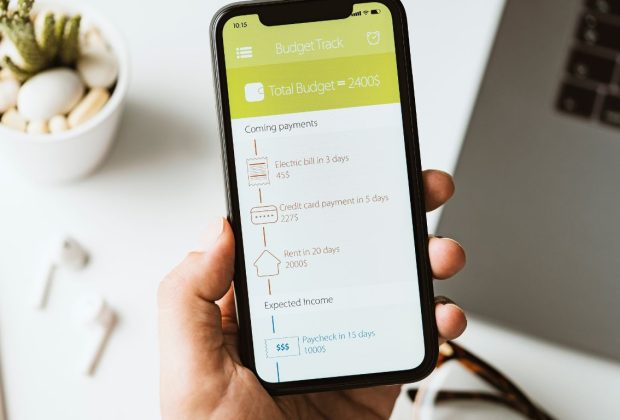
A joint budget is a practical tool for managing your finances together. It should reflect your shared goals, individual needs, and any combined expenses. Regularly review and adjust your budget as needed to ensure it aligns with your changing financial landscape.
Manage Debt Collectively
Debt can be a significant source of stress in a relationship. Approach it as a team, regardless of whose name is on the balance. Creating a plan to pay down debt collectively can relieve stress and build financial security.
Understand Each Other's Money Personalities
People have different attitudes and behaviors towards money, often shaped by their upbringing and life experiences. Whether you're a saver, spender, investor, or giver, understanding and respecting each other's money personalities is key to finding balance.

Navigate Income Disparities
Differences in income can pose a challenge in relationships. It's important to approach this sensitively, focusing on contribution rather than comparison. Discuss how to equitably share expenses and responsibilities, considering the proportionality to income.
Plan for the Future Together
Long-term financial planning is essential for a secure future. Discuss your retirement plans, estate planning, and any financial contingencies. Planning for the future together ensures that you both have a shared vision and are working towards it.
Embrace Financial Autonomy
While it's important to manage finances together, maintaining some level of financial independence can be healthy for a relationship. Allow for personal spending money or separate accounts for individual expenses. This autonomy can reduce friction and promote trust.
Seek Professional Advice When Needed
If navigating finances together becomes overwhelming, don't hesitate to seek the help of a financial advisor. A professional can offer unbiased advice and help you create a financial plan that works for both of you.
Conclusion
Finding financial balance in a relationship is a journey of communication, compromise, and collaboration. By openly discussing your finances, setting shared goals, and respecting each other's financial personalities, you can create a strong, balanced partnership. Remember, the goal isn't to have the exact same approach to money, but to find a way to harmonize your different perspectives for a prosperous future together.